Key takeaways
Fill, sign, and submit APL Logistic Original Cargo Receipt from any browser — or have AI generate a custom version in seconds. No installs, no printing, no back-and-forth.
- The APL Forwarders Cargo Receipt is a document used by APL Logistics Hong Kong, Ltd. to acknowledge receipt of goods.
- Shippers, consignees, and cargo owners use this form to document the transfer of items for transportation and logistics.
- The form requires essential information including shipper details, country of origin, and a comprehensive description of the packages.
- Logistics data such as marks and numbers, package counts, total gross weight, and cargo measurements must be accurately recorded.
- This document outlines the terms and conditions governing the custody, consolidation, and forwarding of goods by the logistics provider.
- It specifies whether freight charges are collected upon delivery and lists the number of original and copied documents received.
What is APL Logistic Original Cargo Receipt?
APL Forwarders Cargo Receipt is a document used in the logistics and shipping industry to acknowledge the receipt of goods for transportation. Issued primarily by APL Logistics Hong Kong, Ltd., this receipt serves as a formal confirmation that specific items have been received into the custody of the forwarder. It acts as a critical record for shippers, consignees, and cargo owners, ensuring that all parties involved in the logistics chain have a documented starting point for the movement of goods from the origin to the destination.
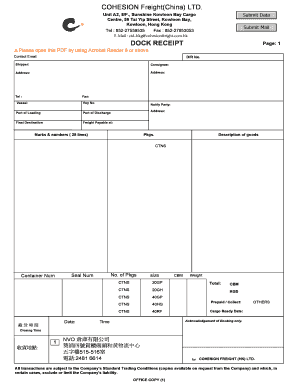
The document captures essential data including the shipper’s information, the country of origin, and the specific date the cargo was received. It also provides detailed fields for the description of packages and goods, including marks, numbers, gross weight, and measurements. Beyond basic logistics data, the receipt outlines the cargo receipt terms and conditions that govern the handling, consolidation, and forwarding of the items. It also tracks accompanying documents and specifies whether freight charges are to be collected upon delivery to the consignee.
Issued by APL Logistics Hong Kong, Ltd. (APLL)
Who needs the APL Logistic Original Cargo Receipt — and who doesn't
Not everyone files APL Logistic Original Cargo Receipt. The checklist below tells you whether it applies to your situation — and points you to the right alternative if it doesn't.
You need this APL Logistic Original Cargo Receipt if…
- you are APL Logistics Hong Kong, Ltd. (APLL) and need to officially acknowledge the receipt of goods for transportation.
- you are a shipper acting as a principal, seller, or licensee providing cargo for logistics processing and forwarding.
- you are a consignee or cargo owner who requires a formal record of the terms and conditions governing the custody and consolidation of your goods.
You do not need this APL Logistic Original Cargo Receipt if…
- you are not utilizing the logistics, consolidation, or transportation services provided by APL Logistics Hong Kong, Ltd.
Why you need the APL Logistic Original Cargo Receipt
Why people fill out APL Logistic Original Cargo Receipt, and what tends to go wrong when they don't.
-
Confirm Cargo Receipt This document serves as a formal acknowledgment that APL Logistics Hong Kong, Ltd. has received your goods for transportation, providing essential proof of the handover from the shipper to the provider.
-
Record Cargo Specifics The form captures critical data including gross weight, measurements, and marks and numbers. Keeping this information ensures all parties have a consistent record of the physical attributes and quantity of the shipment.
-
Inform All Parties The receipt includes details for the shipper and the consignee's address, ensuring that everyone involved in the supply chain has the necessary information for the delivery and collection of freight.
-
Secure Digital Management Use pdfFiller, an online platform for editing and managing forms, to complete this receipt and store it in secure encrypted storage, ensuring your logistics records remain organized and easily shareable.
What each section of APL Logistic Original Cargo Receipt means
Every section explained — what it's asking, the records you'll need on hand, and the mistakes that most often cause a rejection or follow-up request.
| Shipper Information | Provide the full name and contact details of the shipper, who may be the principal, seller, or licensee responsible for the cargo being transported. |
|---|---|
| Date Cargo Received | Enter the specific calendar date when the logistics provider officially took possession of the goods at the designated facility or collection point. |
| Country of Origin | Identify the nation where the goods were manufactured, produced, or grown before being prepared for international or domestic shipping. |
| Goods and Package Description | List a detailed account of the packages and the specific types of goods included in the shipment to ensure accurate tracking and handling. |
| Marks and Numbers | Record any specific identification marks, labels, or numbers printed on the exterior of the packages to help identify the cargo during transit. |
| Number of Packages | Specify the total quantity of individual boxes, crates, or units that make up the complete shipment being handed over for transportation. |
| Shipper Furnished Details | Include any additional specific information or instructions provided by the shipper regarding the handling, routing, or nature of the cargo. |
| Total Gross Weight | State the combined weight of the goods and their packaging materials to help determine shipping costs and ensure compliance with weight limits. |
| Cargo Measurements | Input the physical dimensions or volume of the shipment, which are necessary for calculating freight space and logistics planning. |
| Freight Collect Status | Indicate whether the shipping charges are to be collected from the recipient upon delivery rather than being prepaid by the sender. |
| Accompanying Documents Received | Note the number of original documents and copies provided with the cargo, such as commercial invoices, packing lists, or certificates of origin. |
| Consignee Delivery Address | Enter the complete delivery address and contact information for the individual or business designated to receive the goods at their final destination. |
| Terms and Conditions | Review the section outlining the legal responsibilities, liability limits, and rules governing the receipt, custody, and forwarding of the goods. |
How to fill out APL Logistic Original Cargo Receipt using pdfFiller
A walkthrough from the first field to the signature line. With your records in front of you, most people finish in under ten minutes.
-
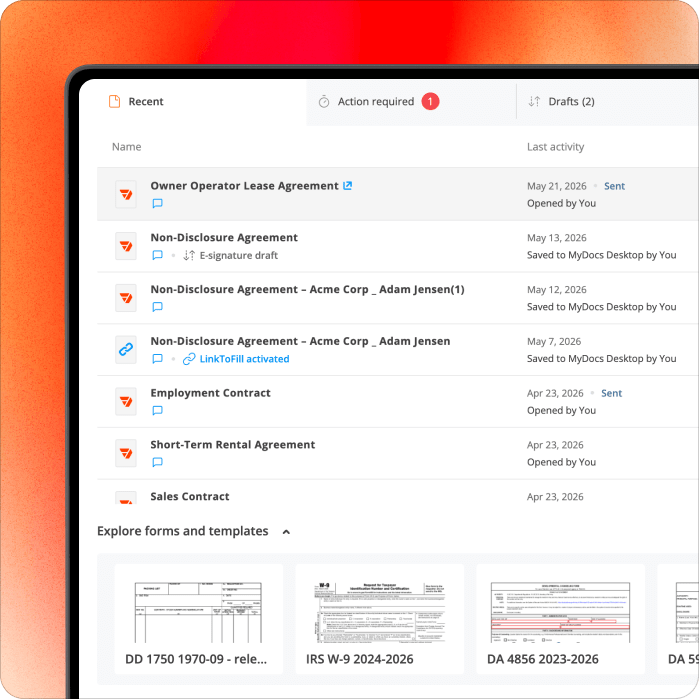
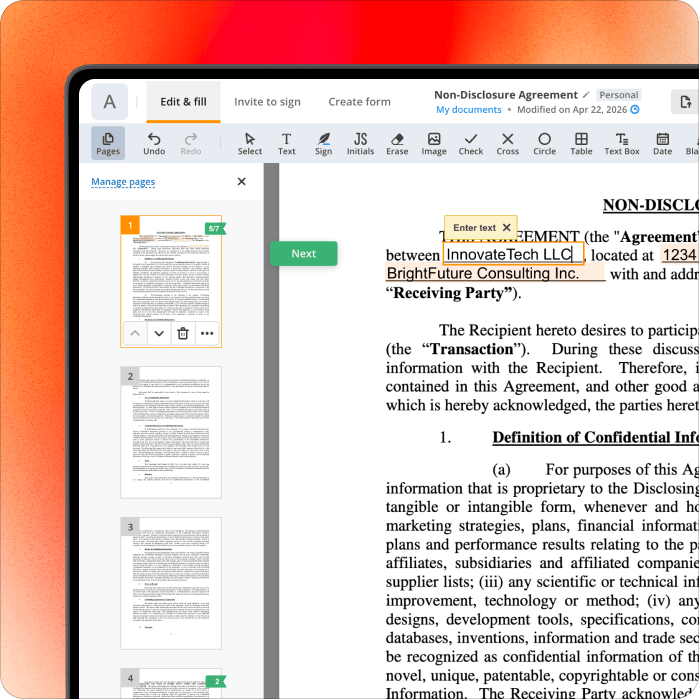
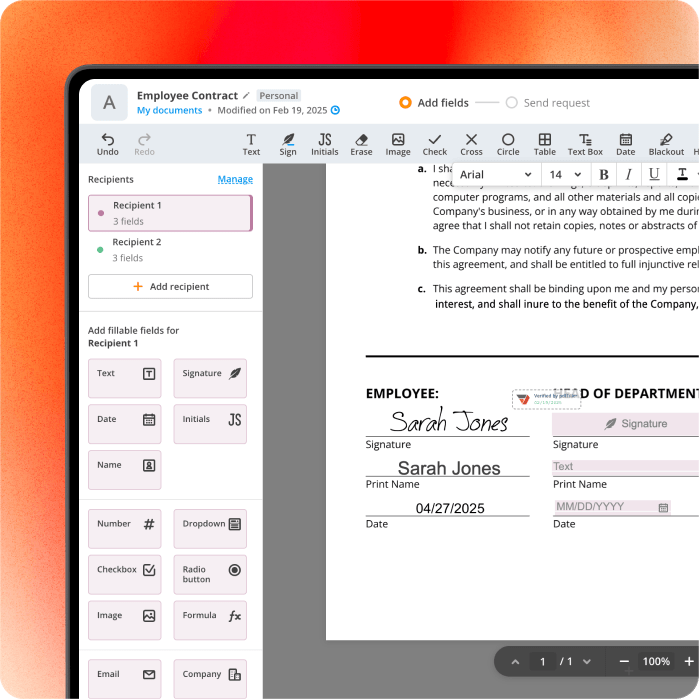
Click Get Form to open APL Forwarders Cargo Receipt in the pdfFiller editor Open the document in the online editor to begin customizing your shipping receipt form, allowing you to manage all transportation data within a single, secure web-based platform.
-
Enter Shipper and Consignee Select the Shipper and Consignee's Address fields to type in the full names and physical addresses for the principal seller and the party receiving the goods being transported.
-
Provide Date and Origin Click on the Date Cargo Received field to enter the arrival date and fill in the Country of Origin to document where the shipment was produced or shipped from.
-
Describe Packages and Goods Use the text fields to detail the Description of Packages and Goods, Marks and Numbers, and No. of Pkgs. to ensure this cargo receipt template is fully completed.
-
Record Weight and Measurements Move to the Gross Weight and Measurement sections to input specific physical details and any other particulars furnished by the shipper regarding the size and mass of the cargo.
-
List Documents and Freight Fill out the Documents Received section to count original papers and copies, then indicate the Freight Collect status to clarify payment responsibilities for the logistics and shipping process.
-
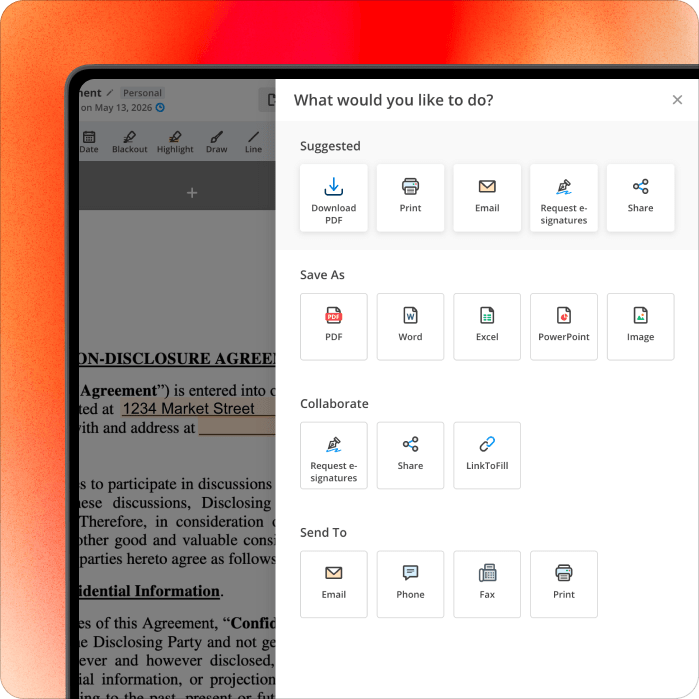
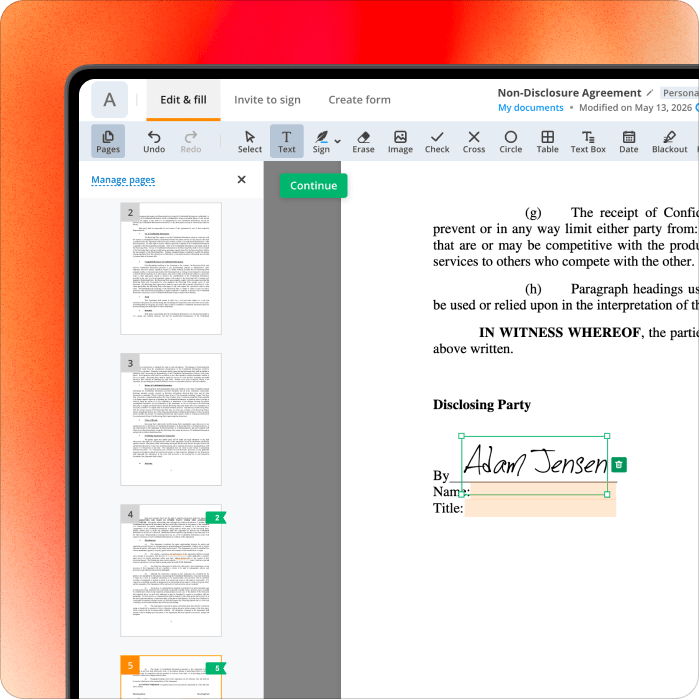
Finalize and Export Review the document for errors, then save it to pdfFiller's secure encrypted storage or download the finished PDF to your device to share it via email or link.
Related content
The forms, guides, and worksheets most filers reach for alongside APL Logistic Original Cargo Receipt.
Key terms used in APL Logistic Original Cargo Receipt
A one-sentence glossary of the APL Logistic Original Cargo Receipt terms and concepts you'll see throughout this guide.
- Shipper
- The principal, seller, or licensee responsible for providing the goods and their specific details for transportation.
- Consignee
- The individual or entity to whom the cargo is being shipped, identified by their specific address on the receipt.
- Gross Weight
- The total weight of the goods being shipped, including all packaging materials and containers.
- Freight Collect
- A designation indicating that the transportation charges are to be paid by the receiver upon the cargo's delivery.
- Marks and Numbers
- Identifying symbols, letters, or numbers placed on packages to ensure they are correctly tracked and delivered.
- APL Logistics Hong Kong
- The logistics provider responsible for the receipt, custody, consolidation, and forwarding of the listed goods.
Frequently asked questions about APL Logistic Original Cargo Receipt
Quick answers to the questions we hear most often about completing the APL Logistic Original Cargo Receipt.
The APL Forwarders Cargo Receipt is a document used by APL Logistics Hong Kong, Ltd. (APLL) to acknowledge the receipt of goods for transportation. It serves as a formal record that cargo has been accepted for logistics processing and consolidation. The document captures essential data such as shipper information and the origin of the goods to facilitate the forwarding process.
This form is used by APL Logistics Hong Kong, Ltd. (APLL), shippers, consignees, and any cargo owners with an interest in the goods. Shippers use it to confirm they have handed over freight, while consignees use it to verify shipment details. It establishes a clear record of the items entering the logistics chain.
Completing the receipt requires the shipper's information, the date cargo was received, the country of origin, and a description of the packages and goods. You must also provide the gross weight, measurements, and any specific marks or numbers associated with the cargo. These details ensure that the logistics provider can accurately identify and handle the shipment.
The terms and conditions outline the responsibilities and liabilities of both APLL and the customer regarding the receipt, custody, and forwarding of goods. These provisions include specific limitations on liability for loss or damage to the cargo. Additionally, the document is governed by the provisions of the service agreement and applicable APLL tariffs.
Yes, you can fill out, edit, and manage the APL Forwarders Cargo Receipt using pdfFiller, an online platform for editing and managing PDF documents. The platform provides secure encrypted storage and allows you to share finished PDFs by link or email. You can also use pdfFiller to download the document or rearrange pages as needed for your records.
The form includes a dedicated field for Freight Collect to indicate if charges are to be gathered upon delivery. This allows the shipper to specify payment terms at the time the cargo is received. It ensures that both the logistics provider and the consignee are aware of the financial arrangements for the transportation.
The receipt features sections for gross weight, measurements, and the total number of packages being shipped. These fields allow for a precise physical description of the freight, which is necessary for calculating logistics requirements. Accurate measurements help in the consolidation and efficient forwarding of goods to their final destination.